







Olive oil: its lesser-known health benefits
Did you know olive oil can act as a painkiller? Learn its known and lesser-known benefits…
Olive oil belongs to the fat category. When we hear about fats in our diet, influenced by what is commonly said, we tend to view them as something negative and harmful to our body. This is partly true when it comes to fat from meat and dairy products. When it comes to fat from olive oil, however, consuming it is beneficial for the body. The term "fat," then, also includes "good" fats such as olive oil, nuts, and others, which, consumed sensibly, can become allies for our health.
A bit of history
Oil production has been known for more than 4,000 years. Presses for producing oil from olives have been found in Greece, as well as storage jars for oil dating back to before recorded history. Besides being used as food, oils were also used in lamps for lighting, in perfumes, as preservatives, in body care, and in tanning leather.
What it offers us
Fats in general are a more concentrated form of energy, since they produce a feeling of fullness more quickly in smaller quantities (compared, for example, to carbohydrates). Vegetable oils in particular offer the body valuable vitamins — specifically the so-called "fat-soluble" ones (A, D, E, K) — as well as essential polyunsaturated fatty acids, which are a natural structural component of cells but which our bodies cannot synthesize on their own, and so must be obtained through diet. Finally, they give foods their distinctive taste, aroma, and texture.
Where else it does good
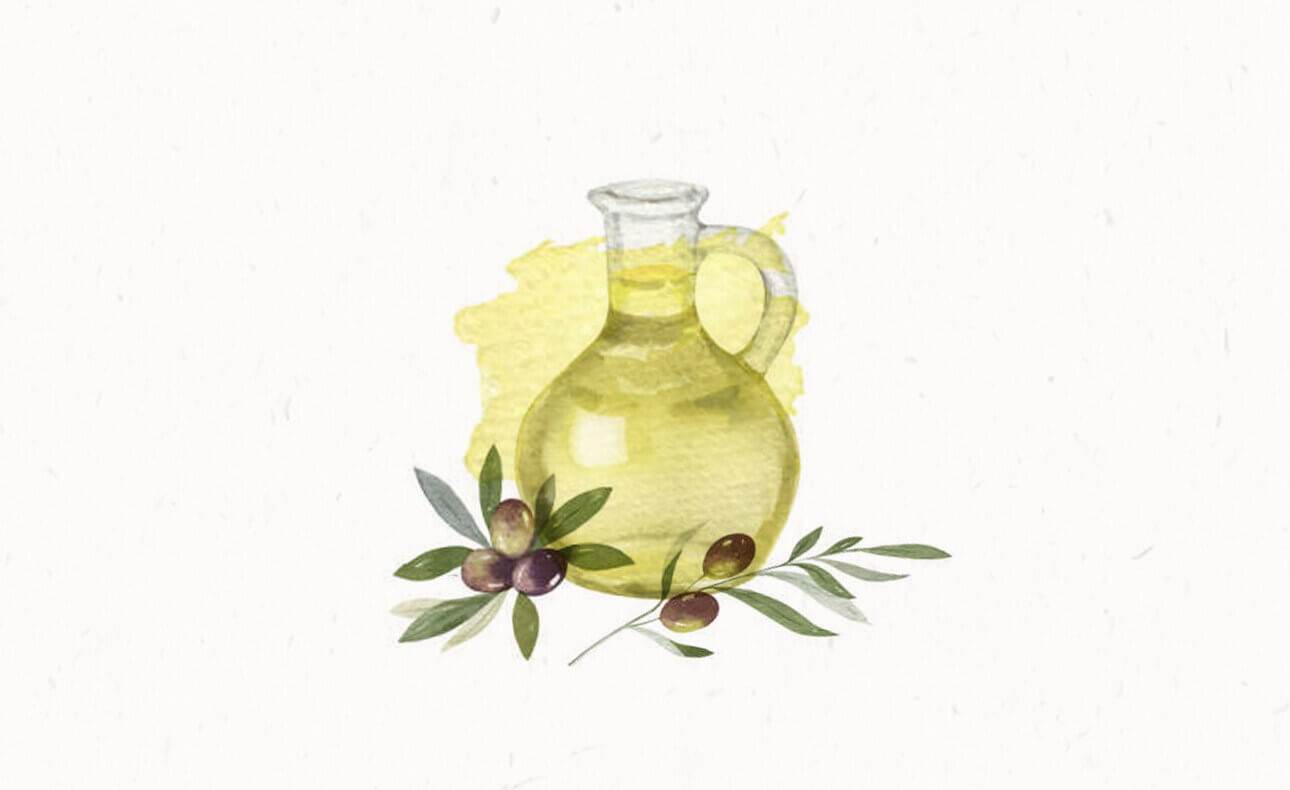
The most important oil for our diet is olive oil, the so-called "gold of the Mediterranean" — and it was not given that name by accident, since it forms the basis of the famous Mediterranean diet. It offers the body a wealth of nutrients, which makes it a beneficial and essential part of our diet.
It is considered the most digestible oil compared to other commercial oils (such as sunflower oil, sesame oil, etc.), and thanks to its content of vitamins and fatty acids (oleic, linoleic, palmitic) as well as phytosterols, it is credited with significant antioxidant properties — meaning it helps our body fight harmful free radicals. Among the fatty acids found in olive oil, linoleic acid is highly valued, since its deficiency leads to serious problems such as delayed growth and metabolic disorders. It also contains a significant amount of tocopherols (vitamin E) and polyphenols, substances that also act as antioxidants and help reduce blood pressure (hypertension).
The olive itself is a rich source of biophenols, which have powerful antioxidant properties and are being studied intensively for possible pharmacological applications. Extra virgin olive oil in particular contains another phenolic compound, oleocanthal. This substance has pain-relieving and anti-inflammatory effects similar to those of a well-known drug. Some scientists hope this substance may help fight cardiovascular disease, Alzheimer's disease, and even certain forms of cancer.
Guidelines for (correct) use
Beyond its enormous benefits in our daily diet, however, like any substance, it can become harmful to our body if not used properly. That is why it is preferable to consume it raw rather than fried, and to avoid exposing it to high temperatures for long periods. It is also good to avoid overusing it, as it can become risky for the health of the heart, blood vessels, liver, and gallbladder. Having said all this, we encourage you to shake off any prejudice about fats and enjoy, without fear, the treasure of nature known as olive oil — while always remembering that "moderation in all things" is best.